Saturday, June 6, 2020

How to a Mountaineer

Mountaineering courses
Okay so you’ve always wanted to venture into the great wilderness and hike in the mountains but don’t know if you’re physically capable to take the rigours that such undertakings involve. There’s only one way to find out: enroll in a training course. Not only with a mountaineering course equip you physically and mentally, it will add immeasurably to your overall sense of well-being. The best part of living in India is that we’ve got a handful mountaineering schools which offer an all-round Himalayan experience at a fraction of the cost it would involve anywhere else in the world.
Primarily there are four types of mountaineering courses; Basic Mountaineering Course (BMC), Advance Mountaineering Course (AMC), Search and Rescue (SAR) and Method of Instruction (MOI). BMC and AMC are normally for duration of 28 days, while SAR and MOI could vary from 15-21 days. To undergo the AMC you need an ‘A’ grade in BMC; and ‘A’ grade in AMC for the other two.

Read More: ​ Top 10 mountain hikes in the world

BMC
As the name suggests, offers basic orientation and skills in rock craft, ice craft, rope work, mountaineering awareness, expedition planning, outdoor survival, camp craft, wilderness navigation, exposure to glaciers and high Himalayan Ranges and a real climb to a high point or a peak. Emergency procedures are an essential part of BMC. The first few days are spent in theoretical classes after which the trainees are taken to a glacier for the rest of the course. The course is physically and mentally challenging and you must be fit before you go for the course. The age limit is from 18-35 though age relaxation may be given for special cases.

AMC
More practical oriented and imparts advanced techniques of climbing with greater emphasis on expedition planning and execution, emergencies, peak climbing, team building, leadership qualities so that you acquire the skills and confidence to organize and undertake challenging expeditions on your own. Try to complete your AMC as soon as you can after BMC, which will make it easier for you. For most enthusiasts I will not advice to go any further in terms of courses. Now you must start climbing and venturing into the wilderness as much as you can. Since mere training is of little use without application. The age limit is 18-40 years.

SAR
For those of you who are more serious about mountaineering and hope to lead major expeditions. SAR is invaluable as it teaches you all the emergencies and rescue procedures, evacuation systems, saving lives in extreme situations. SAR is mostly about being self-reliant and developing your confidence to undertake rescue operations.

MOI
Teaches you more about how to impart training to others and is important for those of you who wish to become climbing or outdoor instructors either in schools or adventure industry. Besides imparting outdoor skills, these courses are an excellent tool for self confidence and character building and should be done by everyone who wants to test their limits.
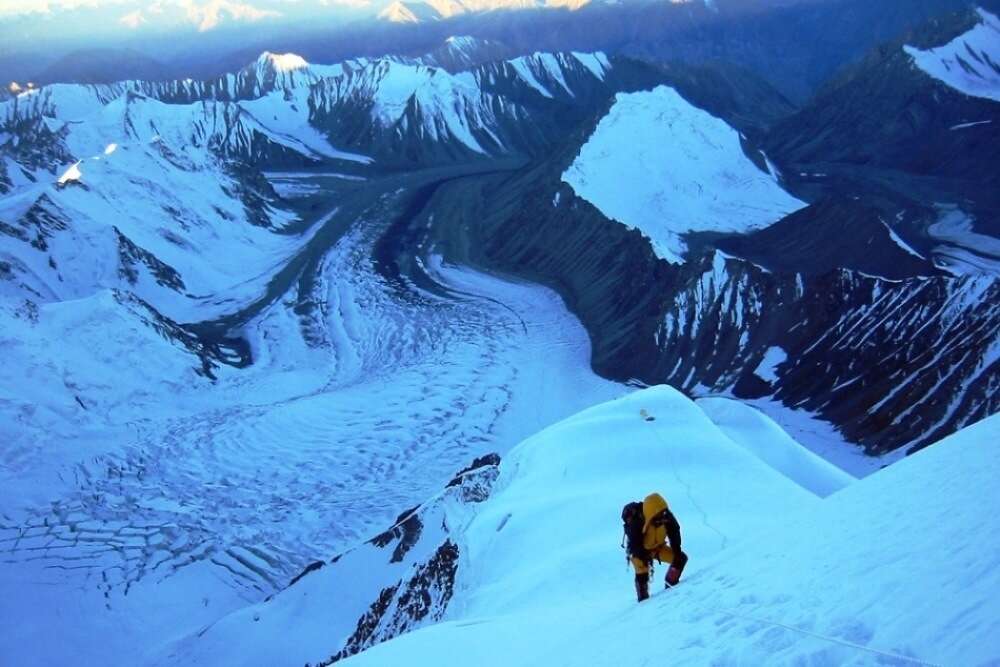
Mountaineering courses 1
India has four premier institutes offering mountaineering courses; Nehru Institute of Mountaineering (NIM) Uttarkashi, Himalayan Mountaineering Institute (HMI) Darjeeling, Atal Bihari Vajpayee Institute of Mountaineering and Allied Sports (ABVIMAS) Manali and Jawahar Institute of Mountaineering (JIM) Pahalgam. Besides these four there is the Sonam Gyatso Mountaineering Institute (SGMI) Gangtok, Indian Institute of Skiing and Mountaineering (IISM), Gulmarg and the recently launched National Institute of Mountaineering and Allied Sports (NIMAS) in Dirang, Arunachal Pradesh. These too offer similar courses with different durations in their respective regions.
I have been involved in various ways with most of these institutes and even though all of them offer similar curriculum, what makes them different are a combination of infrastructure, faculty, management, location and course fee. I would currently rate NIM Uttarkashi as the best in India.
So what are you waiting for? Log in to any of the above institute’s websites and sign up for a course. It will be a life transforming experience.


Heading out for a vacation? Take your travel expert with you - download World Travel Guide. Explore other Travel Guide Apps.

Commercial diver


How To Become A Commercial Diver!

There are 4000 commercial Divers working offshore at any one time, in this post i will try  to explain how you can become certified as a commercial diver.

The Main steps you must take

Commercial divers work in a huge range of industries, with one thing in common the core work is performed below the surface of the water or sub-sea. 

In the industry there are three main types of divers:
Scuba Divers(SCUBA).
Surface Supplied Breathing Apparatus Divers (SSBA).
Closed Bell Divers (saturation.)

The type of diver you want to be, can and almost certainly will affect the pathway to becoming a commercial diver.

That said there are five key steps that you need to know to become commercially certified. This article will extensively cover how you can go from zero to hero and become a commercial diver. 

Step One:    Know what type of diver that you want to be.

perhaps you want to work on a fish farm, maybe you want to be an underwater welder, or maybe you want to want to work in salvage. The path way for each type of diver can be different, and so it is important to know what your long term goals are.

Step Two:    know what level of training your desired field requires

An Aquarium diver has vastly different training requirements and in field skills needed to perform there job than an offshore welder or saturation diver. 

Step Three:  Choose the Certification that is needed where you want to work

There are a lot of diving certifications out there, ADAS, INPP, ADCI, IMCA, DCBD, HSE and more. However they are not all equal, some certificates are not internationally recognized and are only eligible in there local region, others are recognized in most countries in the world, make sure you choose a certificate that will allow you to work where you want, and where you may want to go in the future.

Step Four:  Choose the course that meets your training needs 

The reality is, there are a lot of Commercial Diving courses out there, We will cover the courses you can do, to perfectly meet your training needs. Be it Scuba, SSBA or beyond.

Step Five:    Meet the pre-requisites of the course.

Each course around the world will have different pre – requisites to engage in there training. you must know what these are and accomplish them before starting your course.

The CDA, ADAS and IMCA prerequisites for any of our courses are found here

Step Six:    Have fun doing it.

At the end of the day, we all become Commercial Divers because it is an industry that pays exceptionally well. We might as well remember to enjoy the ocean and its many jobs whilst doing it.


WHAT TYPE OF COMMERCIAL DIVER DO YOU WANT TO BE?

Before you make the plunge and commit to becoming a commercial diver. you need to reflect on yourself and the career you would like to have. This will help you understand what type of diver you want to be, or in other words, what is it that diving will help you achieve. Do you want to work offshore? Live underwater in saturation? Work on oil rigs? Or be a scientific researcher?

Each type of diver has different training and certification needs, for example:

A Scientific researcher, is likely a scientist first and a diver second, as such he likely does not need to consider wet-bell training. 

To the right, is five different common diving careers. Later we will discuss the certifications each diver will need to hold at a minimum and what we at CDA recommend.

Scientific diver

A scientific diver is a diver whose main focus is likely research. these divers are usually scientists first and divers second, who use diving as a means to complete there field work.

Aquaculture diver

An Aquaculture diver is a diver who supports the production of farmed marine species such as Salmon, or Tuna. An Aquaculture diver is usually responsible for ensuring the integrity of the nets and well being of the aquatic organisms.

Onshore Construction Diver

An onshore construction diver is a diver who works inland up to maximum depths of around 50 meters. These divers do a huge range of tasks and can have diverse work portfolios. The usual work load includes any work that involves construction activities. Think: Assembly, demolishing, installation, clean, repair, photograph, maintain or salvage.

offshore diver

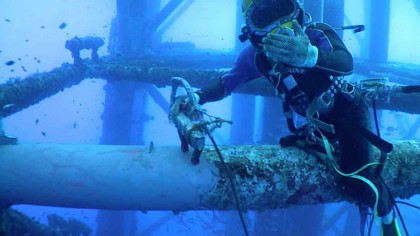
An offshore diver is a trained commercial diver who usually works in support of the exploration and production sector of the Oil and Gas industry. These divers are employed to undertake construction, inspection and maintenance tasks on offshore vessels, such as oil rigs and sub-sea pipelines.

Deep ocean diving

A deep ocean diver is a diver who works underwater at depths beyond the usual certification depth, for an ADAS diver this would be a diver who works beyond 50 Metres, This diving requires special equipment and normally requires training and usage of a closed bell or saturation system

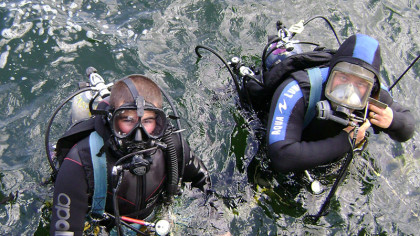
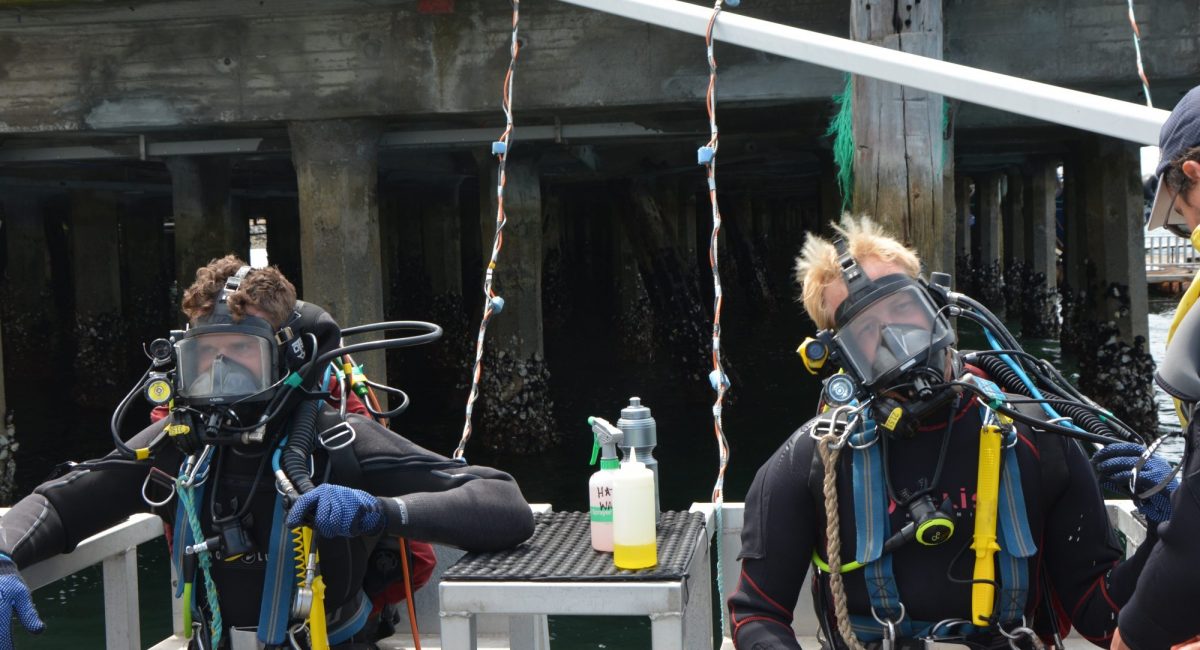
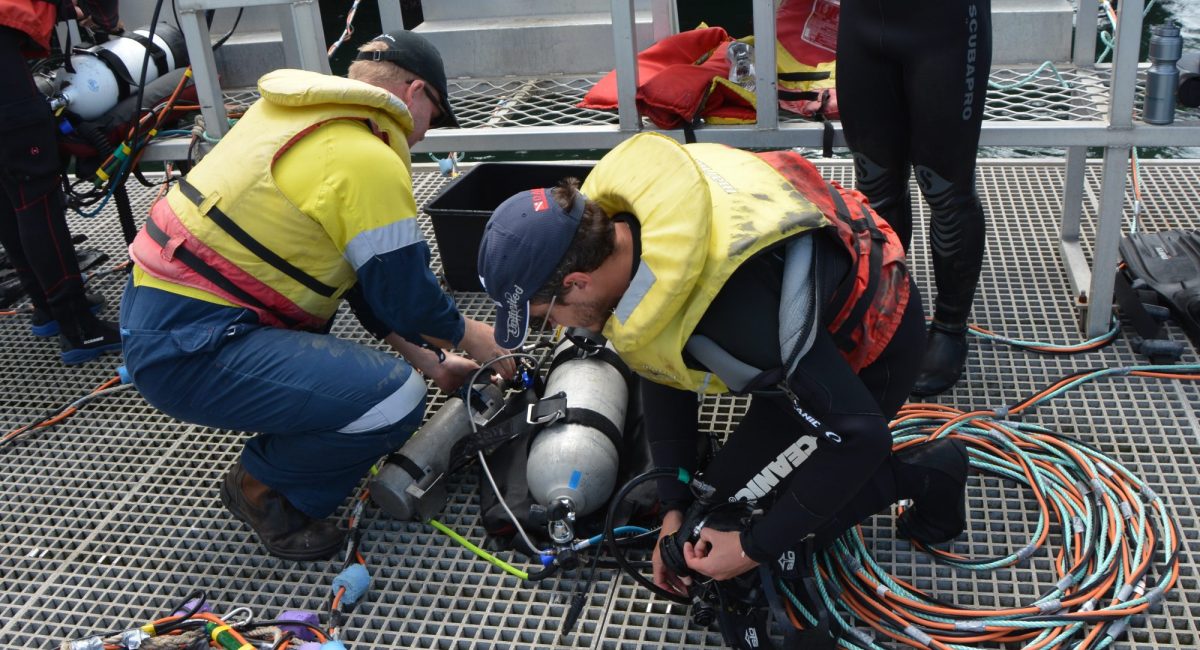
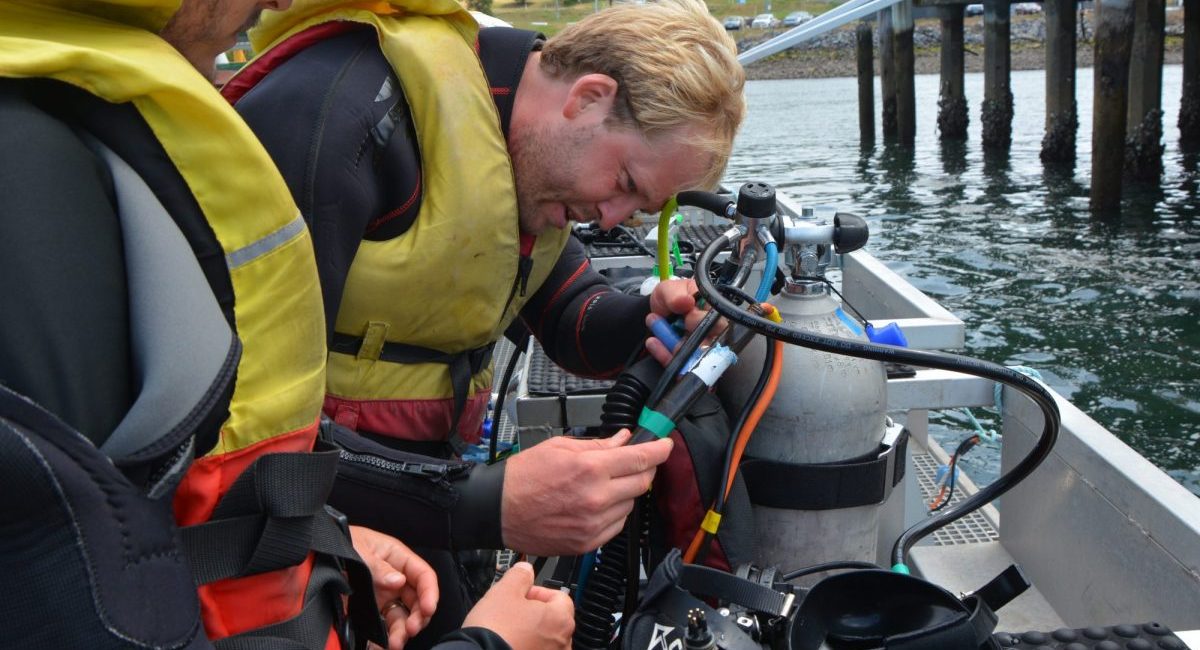
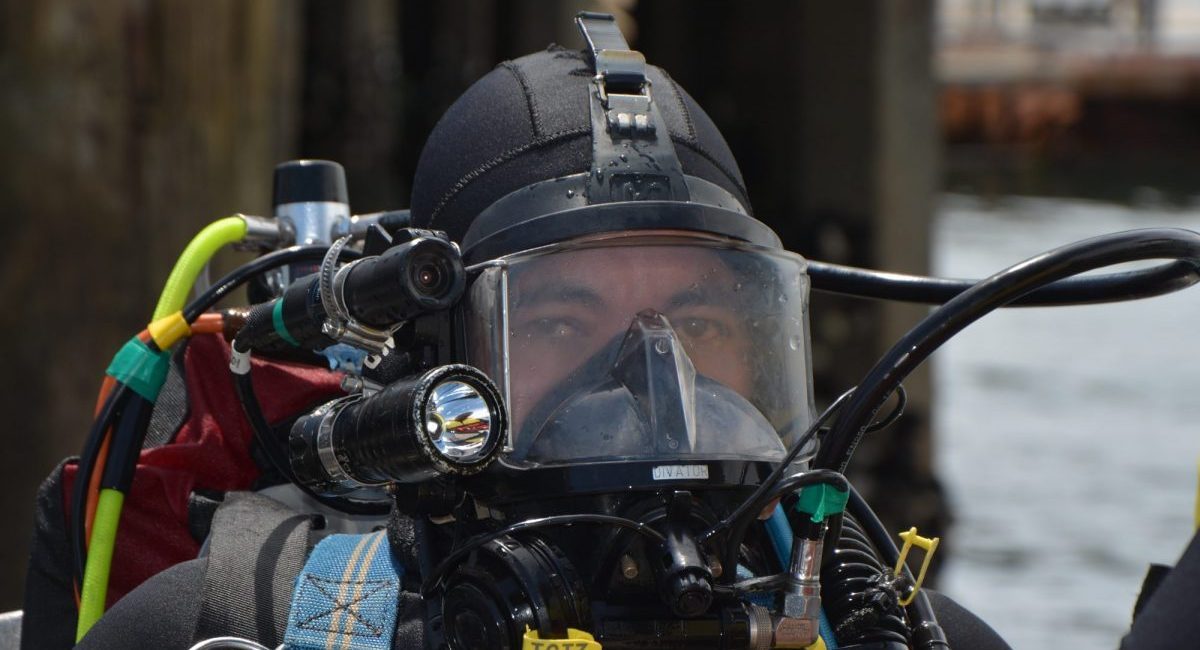
ADAS scuba diver learning about commercial diving

Scuba

Typical jobs include:

Scientific research
Aquarium diving
onshore inspection

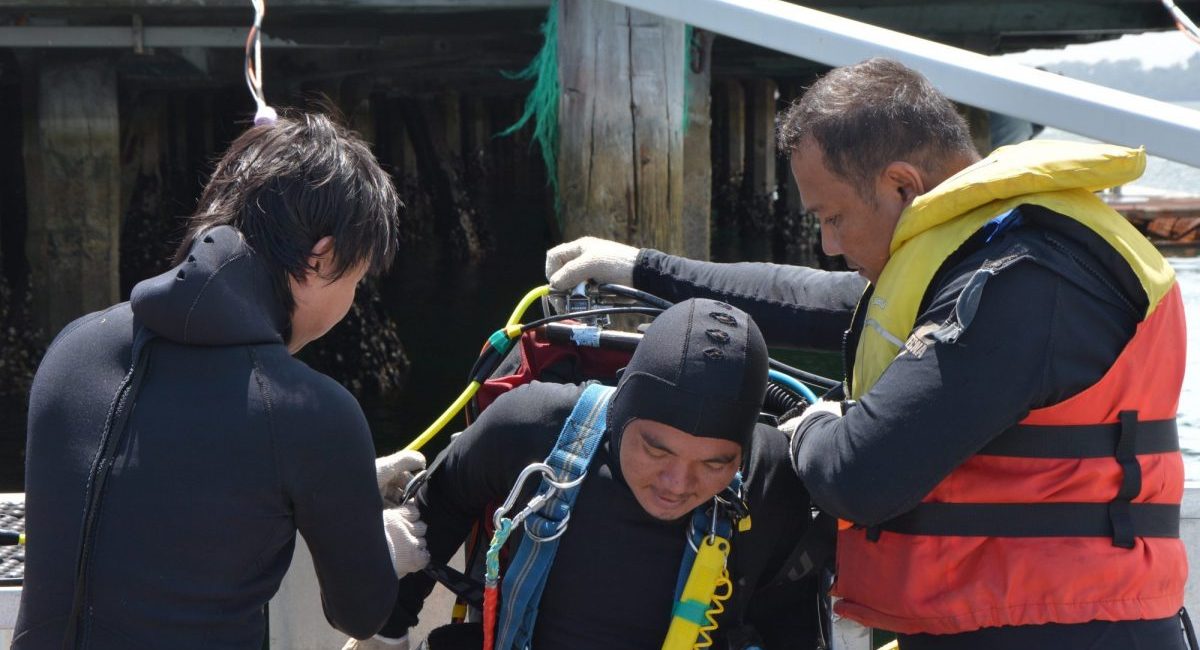
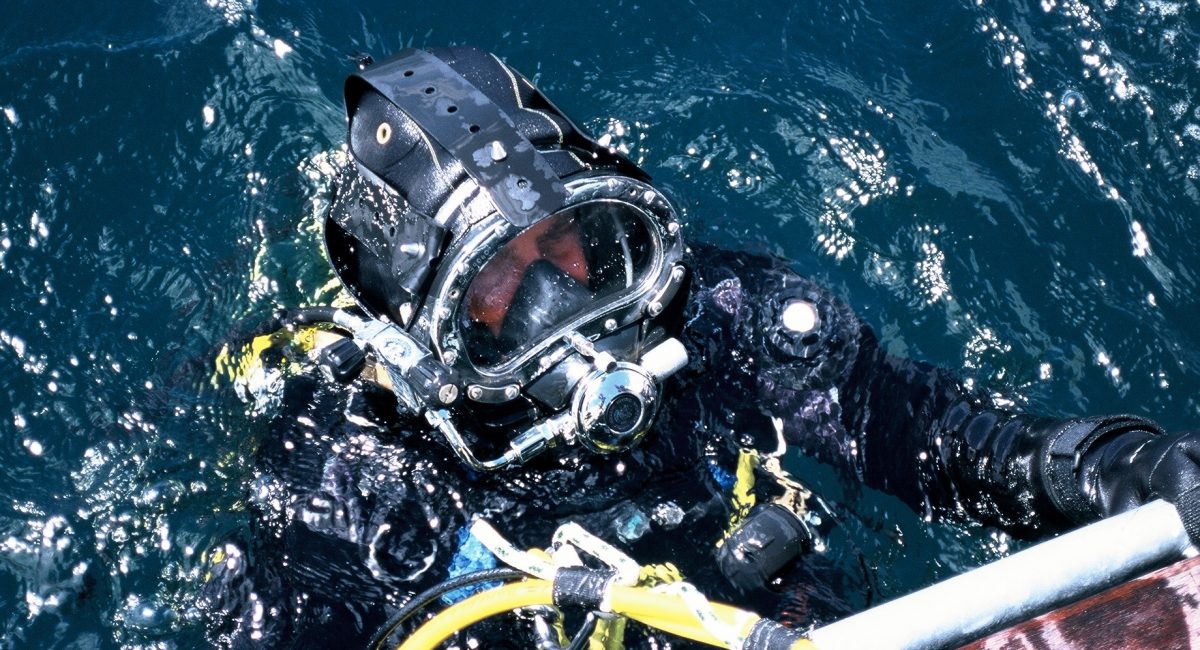
ADAS SSBA Part Three Diver

SSBA

Typical jobs include:

Offshore operations
construction diving
Air lifting


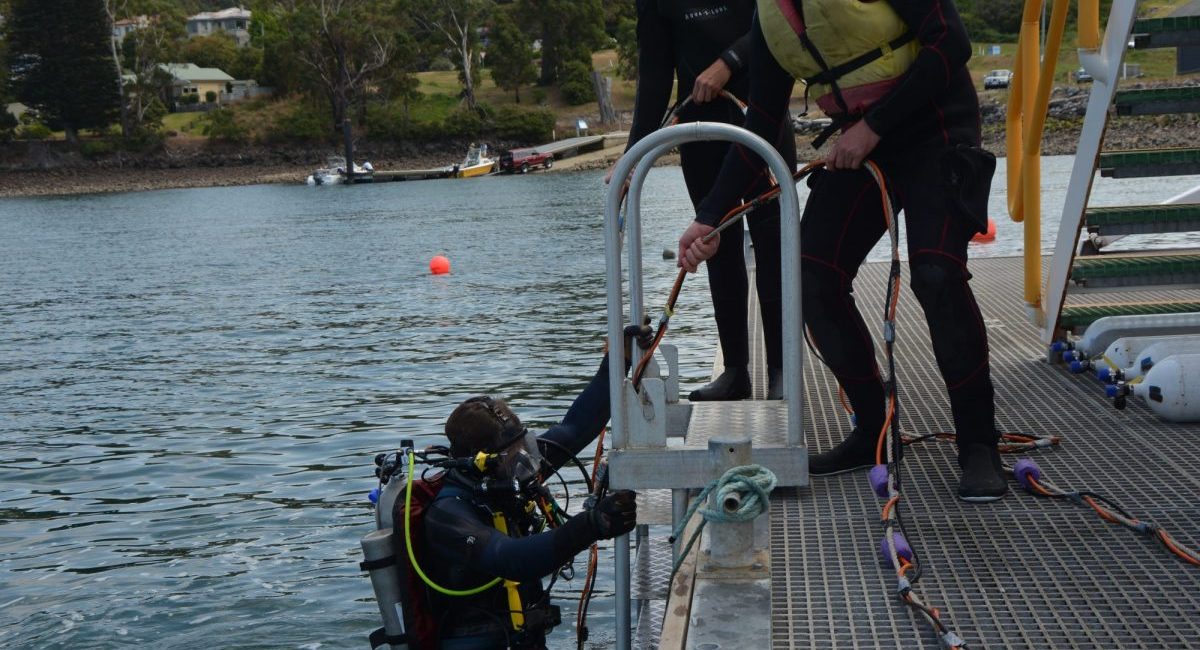
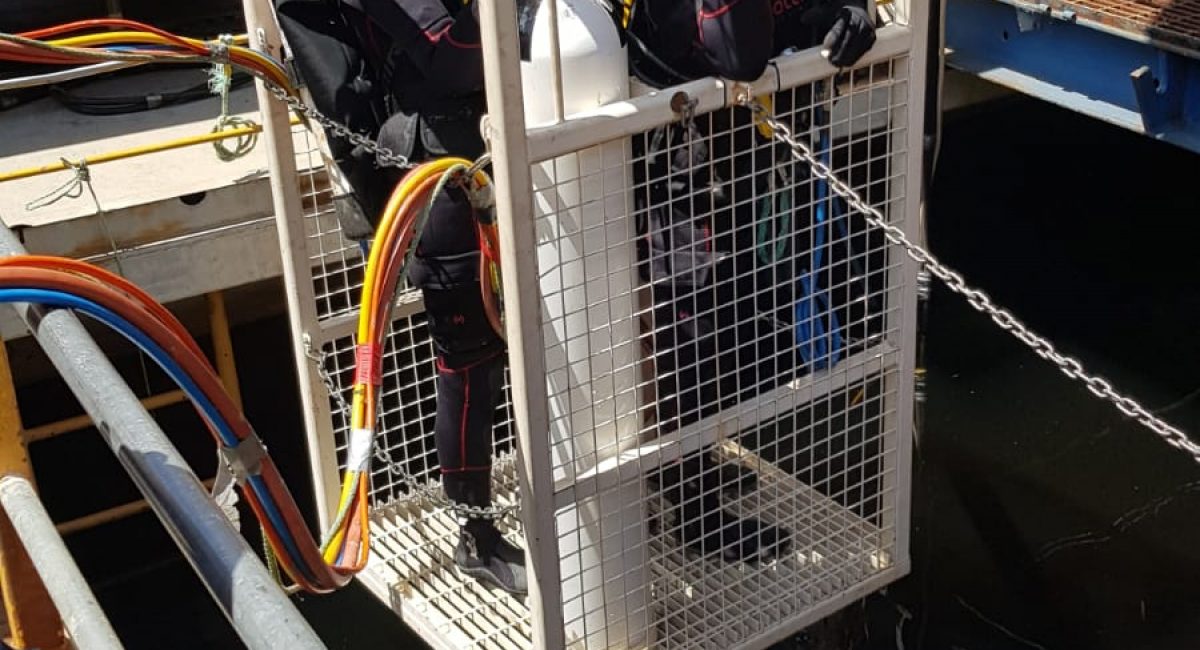
ADAS Closed Bell Saturation Divers

Wet Bell

Typical jobs include:

Deepwater installation
Deepwater inspection
Oilwell inspection


What level of diver training do i need?

Once you have worked out your diving goal and decided on the lifestyle and career you are after, the pathway to becoming certified as a commercial diver becomes much easier. This is because, each diving career has different minimum requirements that must be met in order to be eligible to work.

Around the world most Commercial Diving training facilities will focus on at least one of two different types of Diving. The third level (Closed Bell) is only offered at this time by two diving academies in the world. The Commercial Dive Academy in Tasmania and The National Institute of Professional Diving in France. These schools are the only facilities in there respective hemispheres to offer saturation training.

Each level of diving has there own unique properties and skill sets, generally each level requires completion of the prior level below it, and can have different levels of training within themselves. these three dive styles are:

1.  Scuba

2.  Surface Supplied Breathing Apparatus  (SSBA)

3.  Closed Bell(some times refereed to as saturation diving)


“The Commercial Dive Academy is one of only two schools in the world to offer Closed Bell diver training and is the only offshore training facility in the southern hemisphere with saturation diving capabilities “

When should i do scuba training?

Commercial Scuba Dive Training is generally a pre requisite of all the higher levels and so in most circumstances must be completed to work as a commercial diver.

For example to become a certified ADAS SSBA to 30 M (ADAS part two) diver you must hold your ADAS Occupational Scuba to 30m (ADAS part one) certification.

Professional Scuba training can, in some circumstances be all the training you need. Some industries require divers to only be trained in Scuba as this is all that is required within the scope of work.

Individuals this applies to is Aquarium and Zoo divers as well as a lot of scientific divers. In a way if your job requires commercial dive training, yet is not dive focused it is potentially possible that this may be all the training you need. 

To confirm that this is true for yourself you should talk to us, or another internationally accepted training organization as well as your employers to ensure that you only need your Commercial Scuba ticket.

Professional Scuba Training should not be confused for Recreational scuba training which is a pre-requisite for most Scuba certifications. No recreational ticket is accepted by the International Marine Contractors Assosciation (IMCA).


 ADAS SCUBA COURSES

At CDA we offer both Occupation Scuba to 30 m and restricted occupational Scuba to 30 m courses. These courses are must do for those who are looking at the next level of diving or who only need a scuba qualification

PRE-REQUISITES FOR SCUBA TRAINING

Before you can complete commercial Scuba training with almost any training organization you must first hold your recreational diver certificate. This can be any well known certification including PADI, SSI and NAUI

When should i do SSBA (AIR) training?

Commercial Air Dive Training or Surface Supplied Breathing Apparatus (SSBA) is the most in demand diving qualification you can hold. Air diving certifications allow you to work in most construction activities onshore and offshore (depending on the level of air diving certificate you hold).

For nearly all those wanting to become a commercial diver, it is mandatory to hold an air diving certificate as these allow you to work with various tools and depths potentially up to 50 meters.

The usage of Surface Supplied Breathing Apparatus underwater significantly increases a divers ability to operate under real working situations. An air diving is also recognized internationally as capable of using equipment such as welding, cutting, pneumatic and hydraulic tools up to the depth of there qualification

Within the ADAS certification framework there are two levels of Air Diver.

The First: 
SSBA to 30 M (ADAS Part Two) introduces the commercial diver in the usage of SSBA as the basis for underwater construction activities, this course would be done by all divers wanting to work in construction on shore. how ever it is limited in that it can only be used up to 30 M and is not accepted at all offshore.

The Second:
SSBA to 50 M (ADAS Part Three) is the next progressive step of the air diving certification and allows the diver to work offshore, from a wetbell, and use and operate a decompression chamber.


For most Commercial Divers an ADAS Air certification is the training to strive for, the only question is where should i do the training? What certification should i get? and what level of air diving do i train too?

“The Commercial Dive Academy is one of only two ADAS & IMCA approved schools to offer Commercial Dive training to offshore air divers. The other is Sub Sea based in New Zealand.”

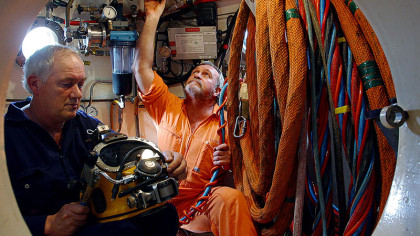
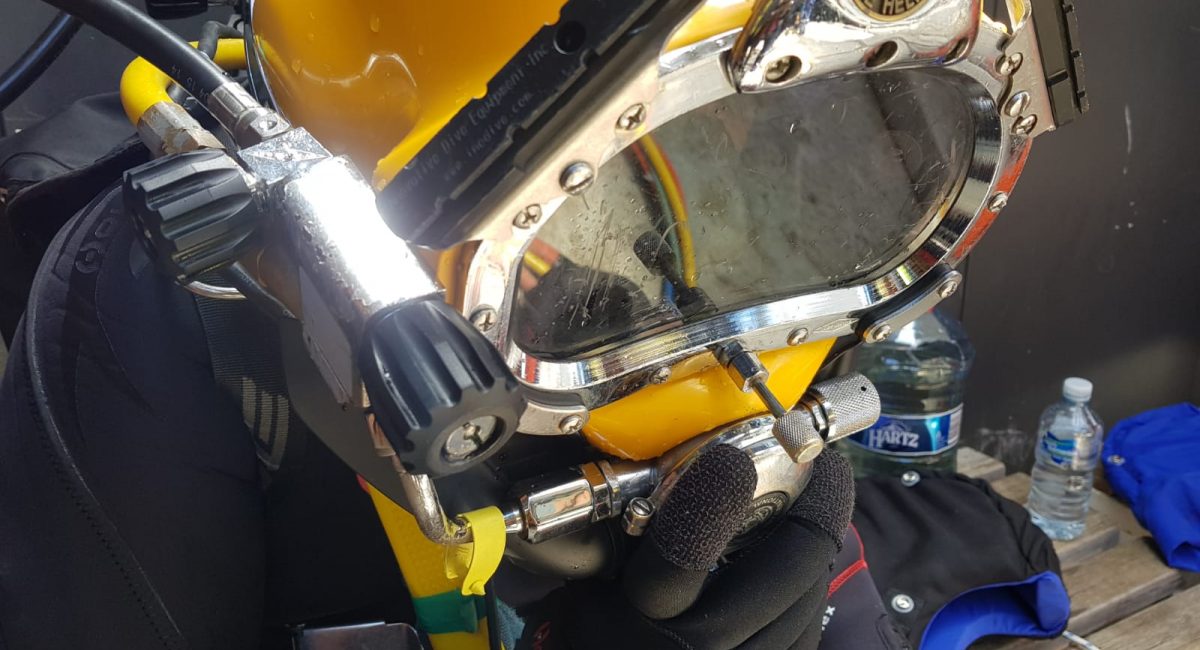
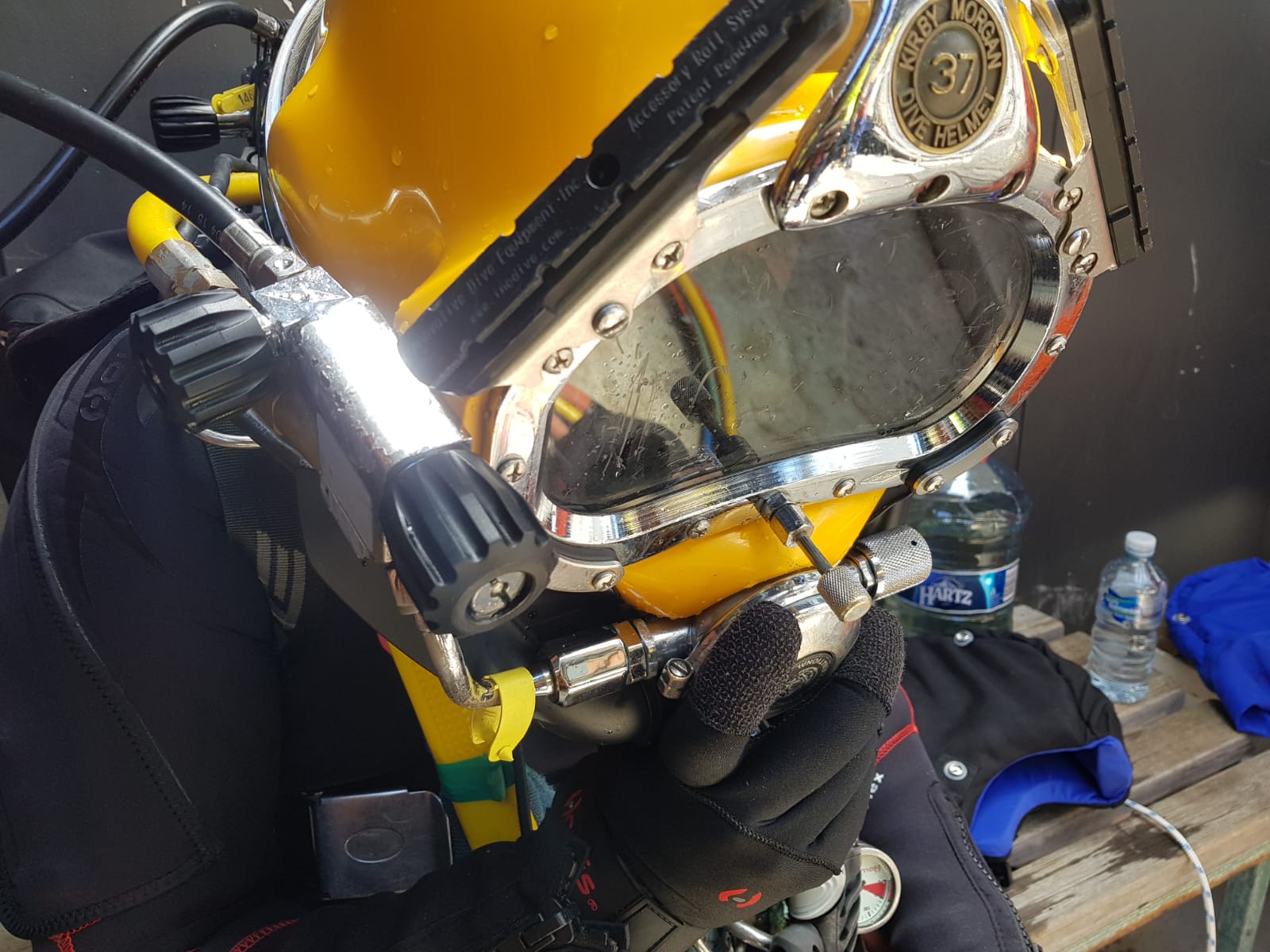
AN ADAS student wearing a Kirby morgan dive helmet

What certification Should i get? HSE? ADAS?

There are a lot of possible dive certifications you can choose between, some are recognized only in specific countries, and some, such as ADAS or HSE are recognized internationally.

The most important part of choosing your certification is to choose an internationally recognized, IMCA approved certification.

Click here for information on ADAS

Click here for information on IMCA

There will be more information on certifications as this page is updated in the future.


WHAT ARE THE COMMON
PRE-REQUISITES

Ok Great. You now know what level of dive training you want to receive, but what do you need to accomplish before training can begin? to the right are the most common pre-requisites that commercial Dive certifications require you to have attained before joining there course.

Please note, you must be at least 18 years of age to be eligible for most Commercial Dive courses including ADAS.

A recreational Dive Certificate

for ADAS and IMCA courses you will need to demonstrate that you have reasonable diving abilities before the course, this will mean you need to hold a recreational diver certificate and around 10 logged dives at a minimum.

A Dive Medical

this medical declares that you are fit to dive. different certifications require a different medical. For ADAS the Medical you need is AS/NZ 2299.1

First aid and 02 delivery training

You must hold a first aid and advanced resuscitation certificate to attend most commercial dive courses

reasonable swimming ability

Knowing that you are looking at an industry that is based on working in the water, it is expected you have the ability to swim. For ADAS you need to demonstrate you can swim 200 Meters un assisted and tread water for 10 minutes. Other certifications may have different requirements.

Adventure activities around the world

Welcome to  all heroes, guide to introducing pumping (some might say, fear-inducing), heart-pounding adventure activities around the world...